13 — FAQ
Boiler Questions Ottawa Homeowners Ask
Answers about older boiler repairs, installation, annual maintenance, winter emergencies and booking service in
Ottawa.
How much does boiler repair in Ottawa cost?
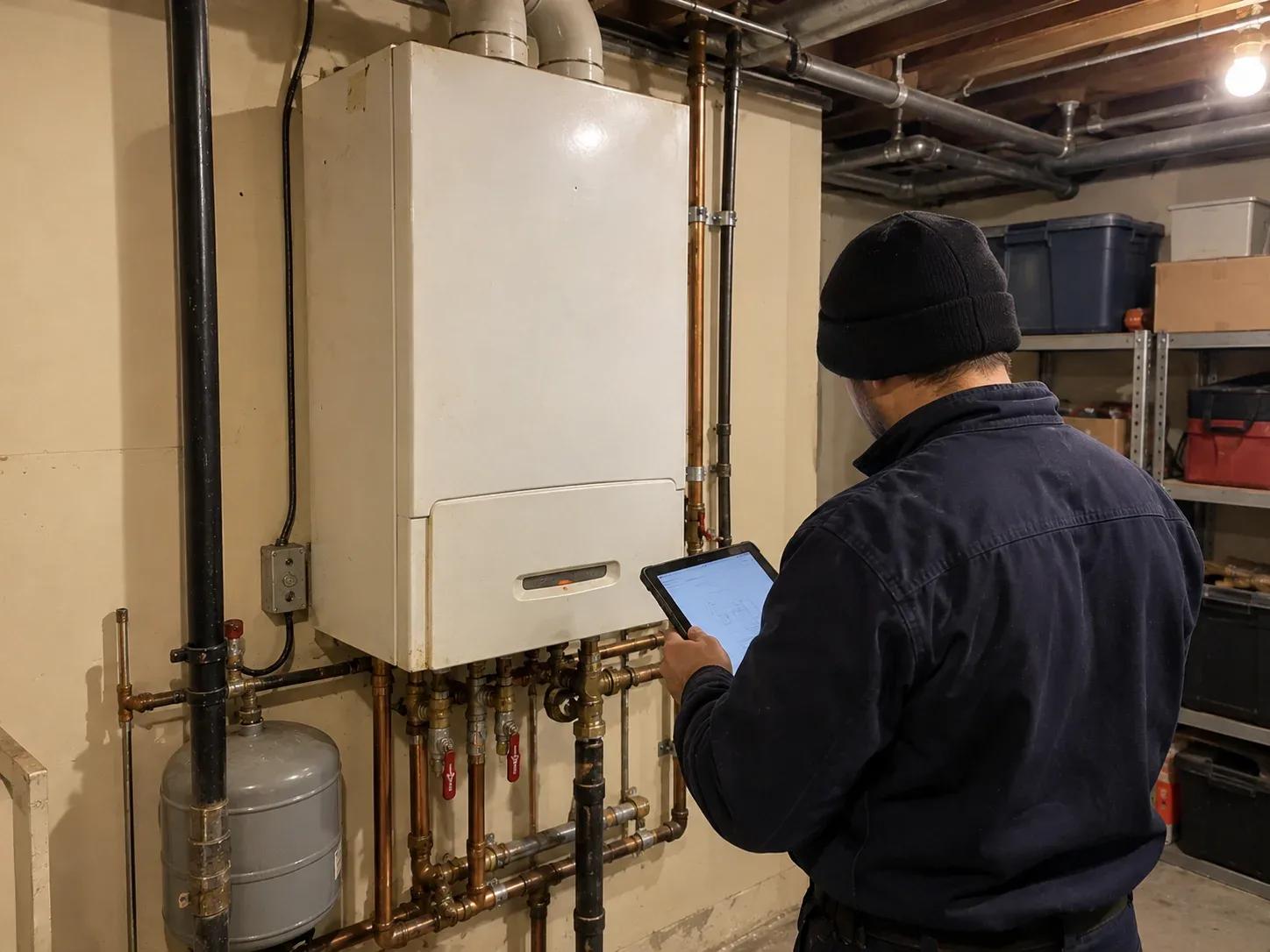
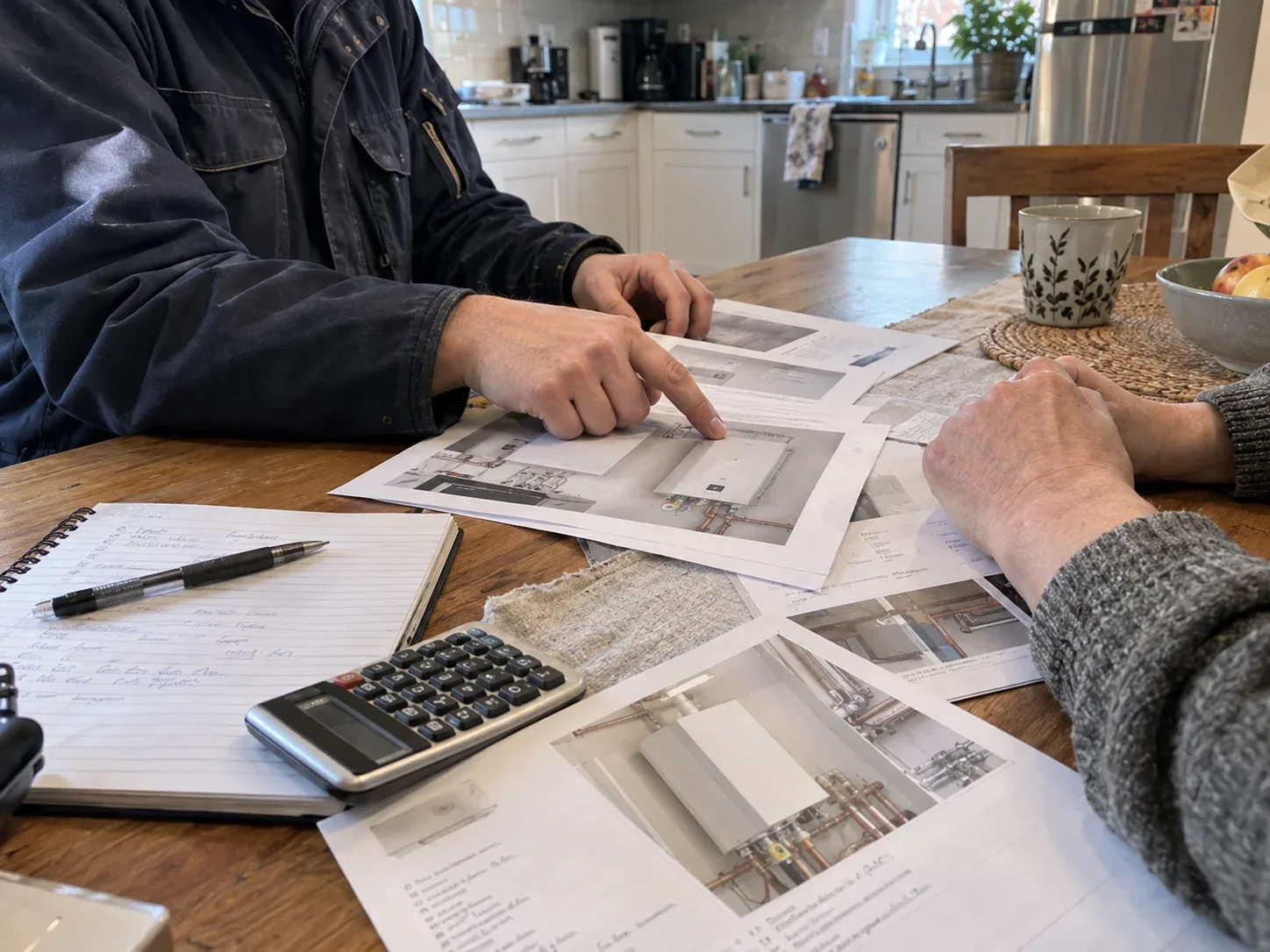
The cost depends on the fault, boiler model and parts involved. We diagnose the problem, explain the work and
provide the price before any repair begins. Nothing proceeds without your approval.
Can you repair a 15- or 20-year-old boiler?
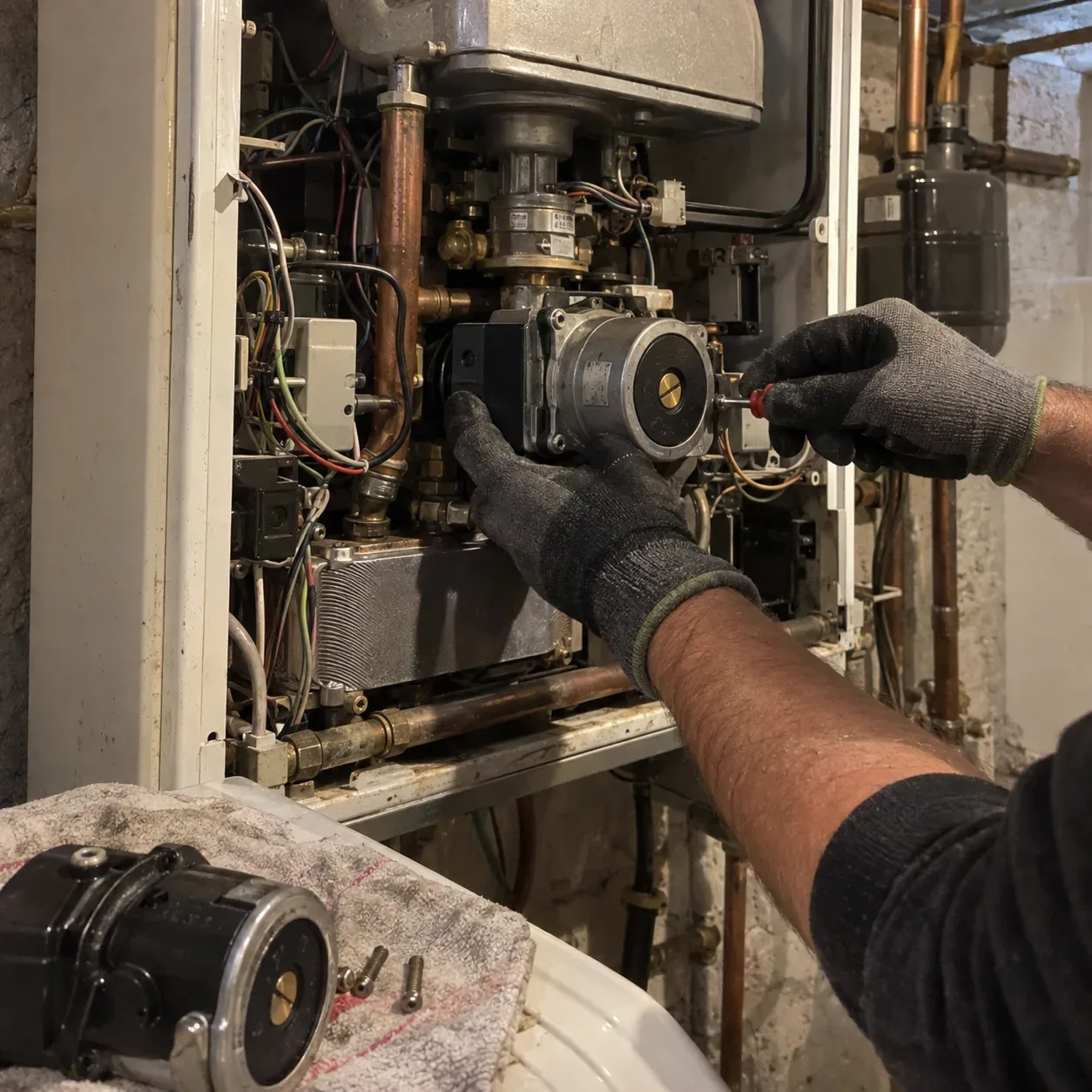
Often, yes. Age alone does not mean a boiler needs replacing. We assess its condition, parts availability and
repair history. If the repair is no longer practical, we explain the reasons and discuss your options.
My boiler is under 5 years old or still under warranty — can you fix it?
If your boiler is relatively new or still under the manufacturer's warranty, contact the manufacturer or an
authorized service provider first. Our service focuses on homeowner-owned, older boilers that are typically
outside the manufacturer's warranty period.
Do you repair rental boilers?
No. Contact the company you rent the boiler from. Rental equipment is generally serviced through that provider
under the terms of your agreement. We work on homeowner-owned boilers.
What are the warning signs my boiler needs repair?
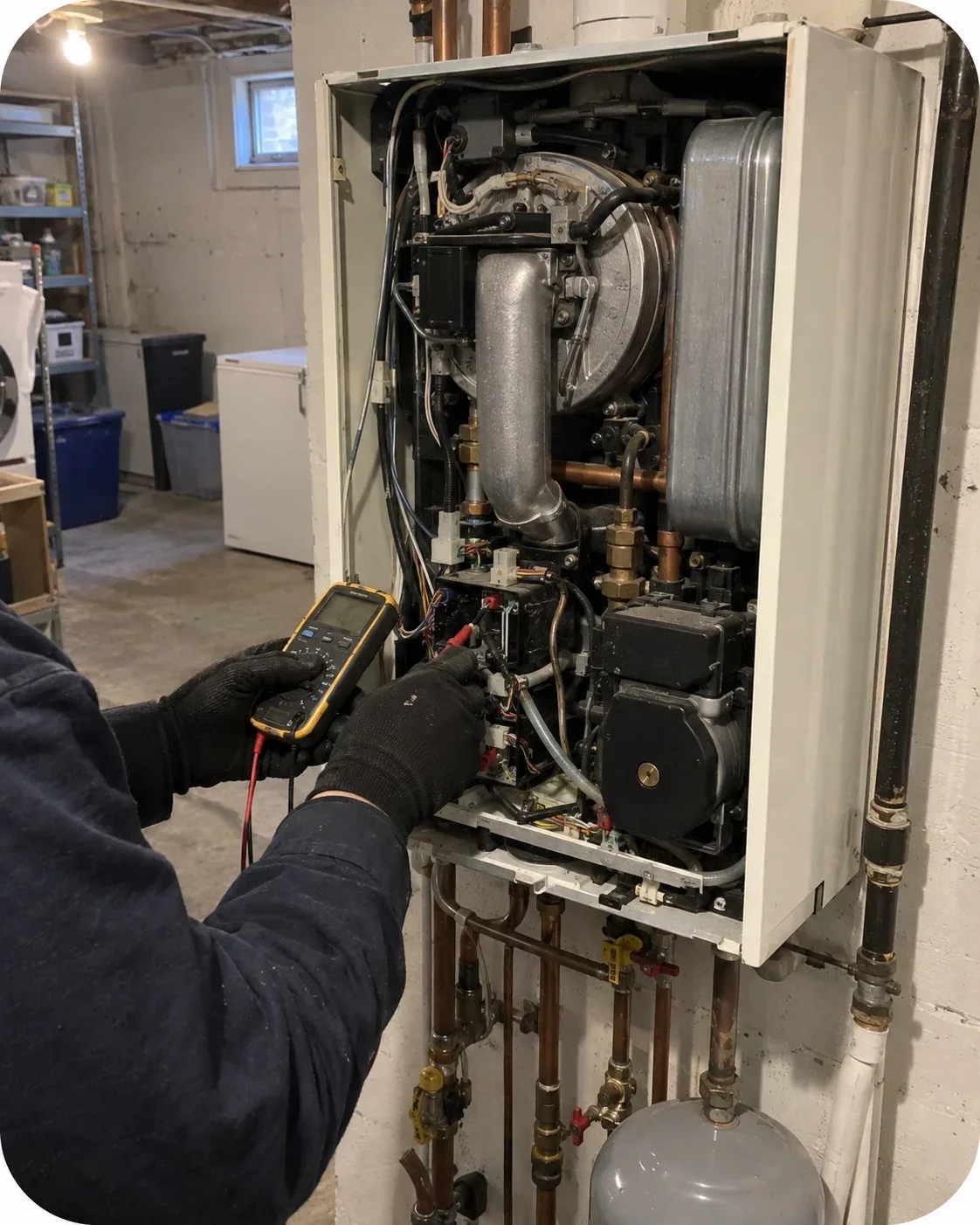
Warning signs include unusual rattling, repeated lockouts, fluctuating pressure, visible leaks, error codes,
uneven heating and inconsistent hot water from a combi boiler. If you smell gas or hear a carbon monoxide
alarm, evacuate immediately and call 911 from outside.
Why does my boiler keep losing pressure?
Possible causes include a leak, an expansion tank issue, a faulty pressure relief valve or another system
problem. Repeatedly topping up the pressure does not fix the underlying fault. A technician should identify
the cause.
How long does boiler installation in Ottawa take?
It depends on the existing boiler, venting, gas connections and any required changes to the installation area.
A straightforward replacement may take a day, while more involved projects can take longer. If you're
searching for boiler installation near me, we can assess your setup and explain the expected timeline
beforehand.
What warranty comes with a new boiler?
New equipment comes with the applicable manufacturer's device warranty. Coverage depends on the brand, model
and manufacturer conditions. We can assist with registering the boiler and explain which documents to keep.
Is a tankless combi boiler a good choice for an Ottawa house?
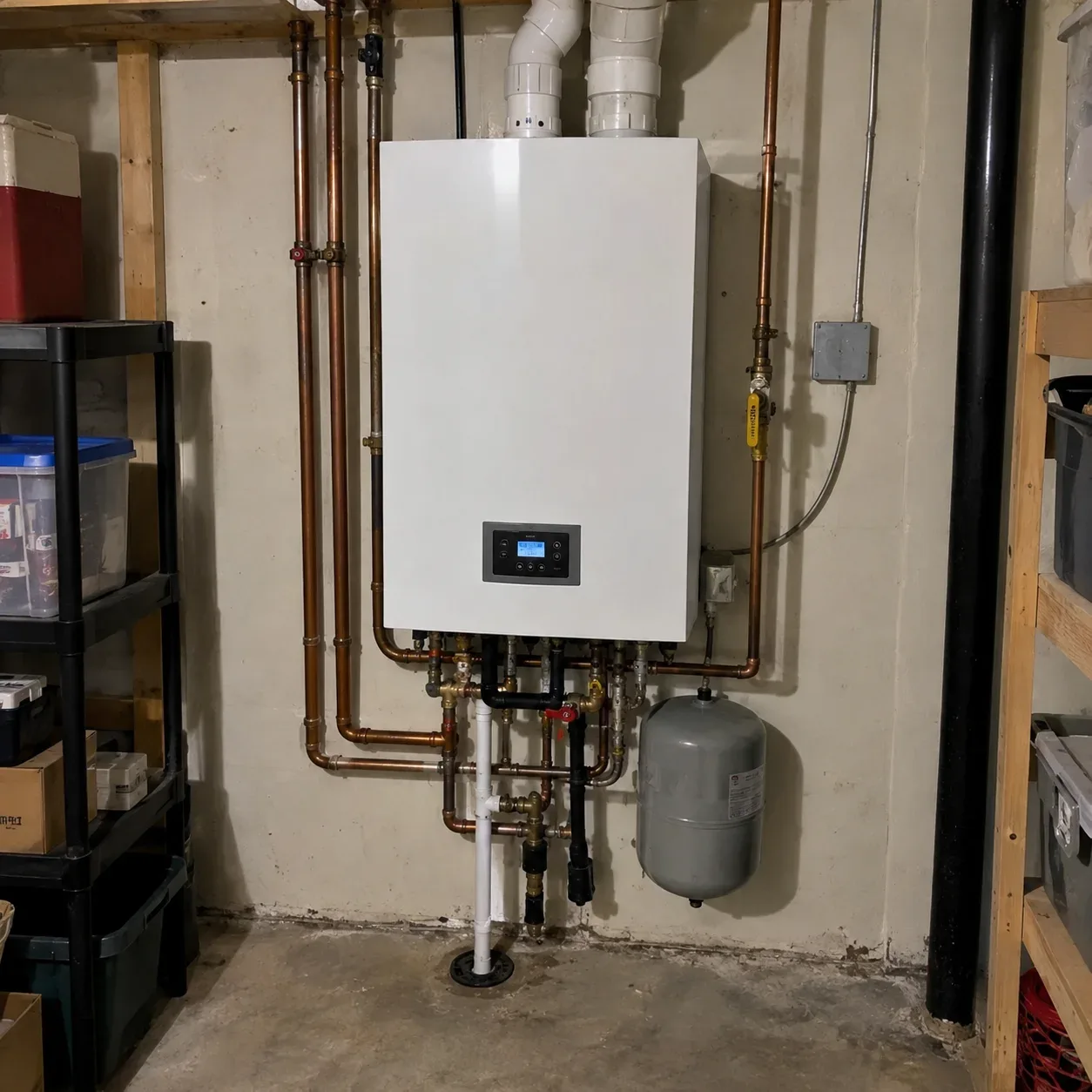
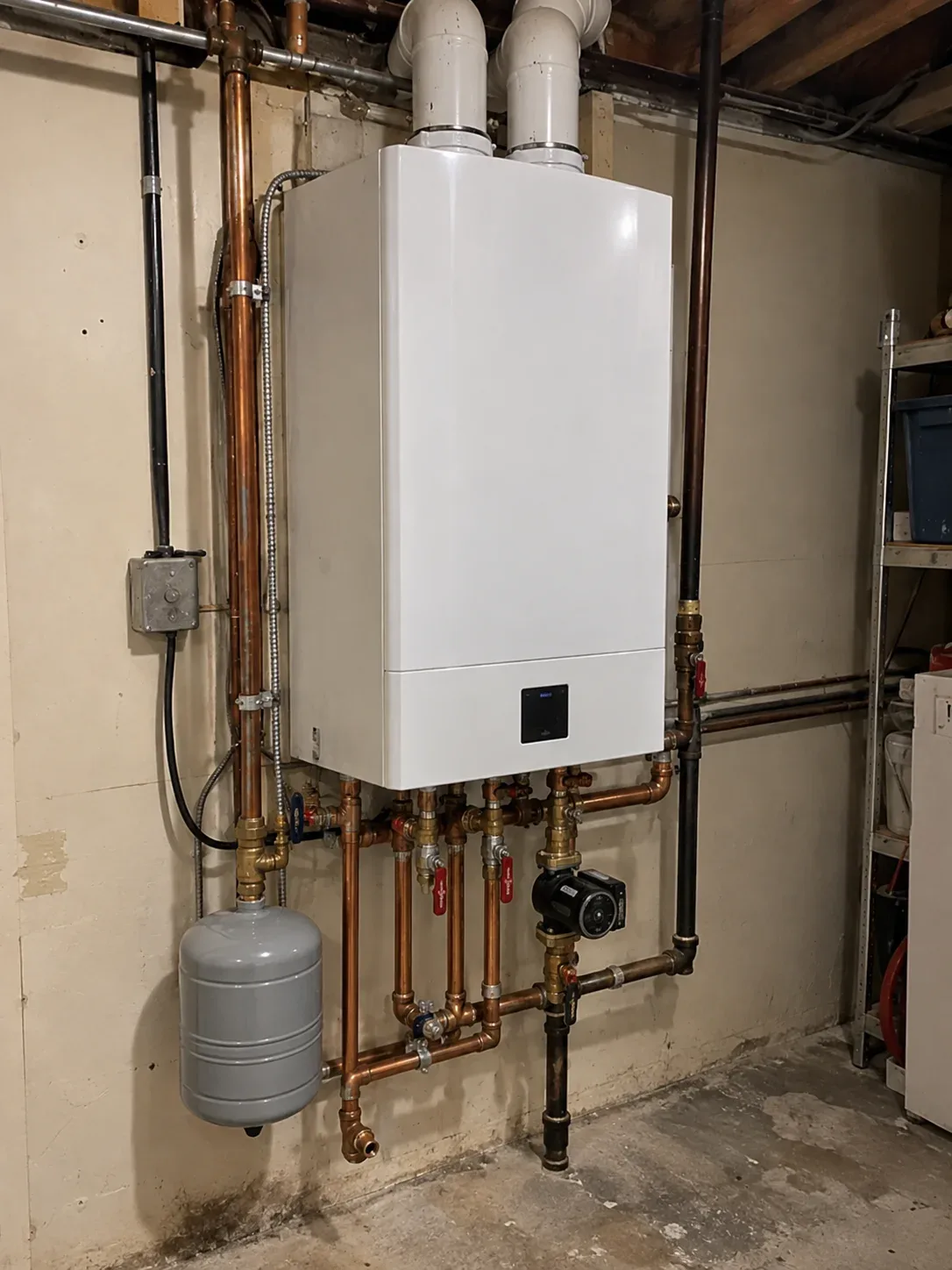
A combi boiler supplies space heating and on-demand hot water from one wall-mounted unit. For combi boiler
installation Ottawa homeowners should consider bathroom count, simultaneous showers and available space. Read
more in our
combi boiler overview.
Should I repair or replace my boiler?
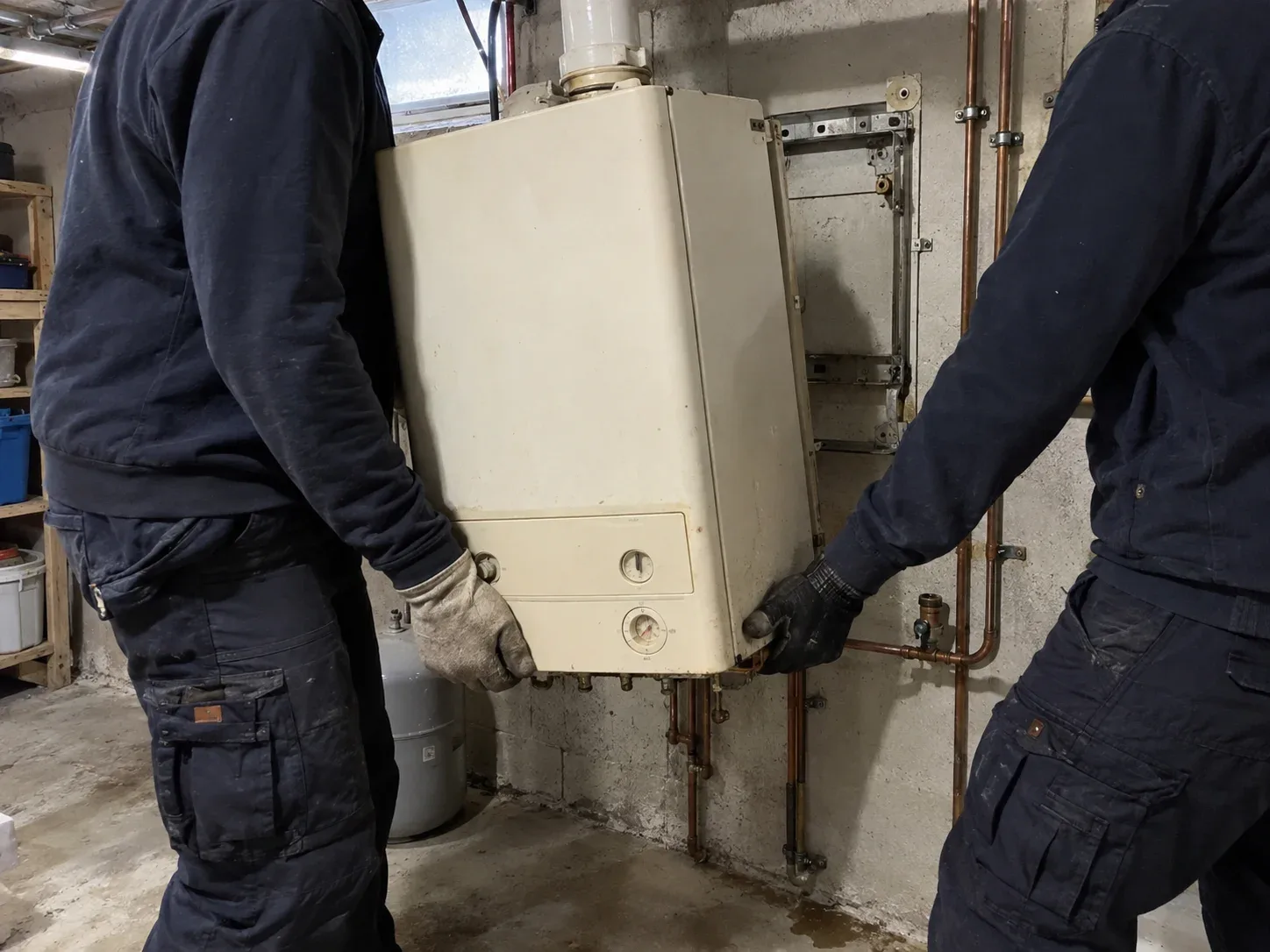
Consider its age, condition, repair history, parts availability and the cost of the proposed work. An older
boiler may still be worth repairing, while repeated failures can make replacement more sensible. Explore our
repair-or-replace guide.
How often should a boiler be serviced and cleaned?
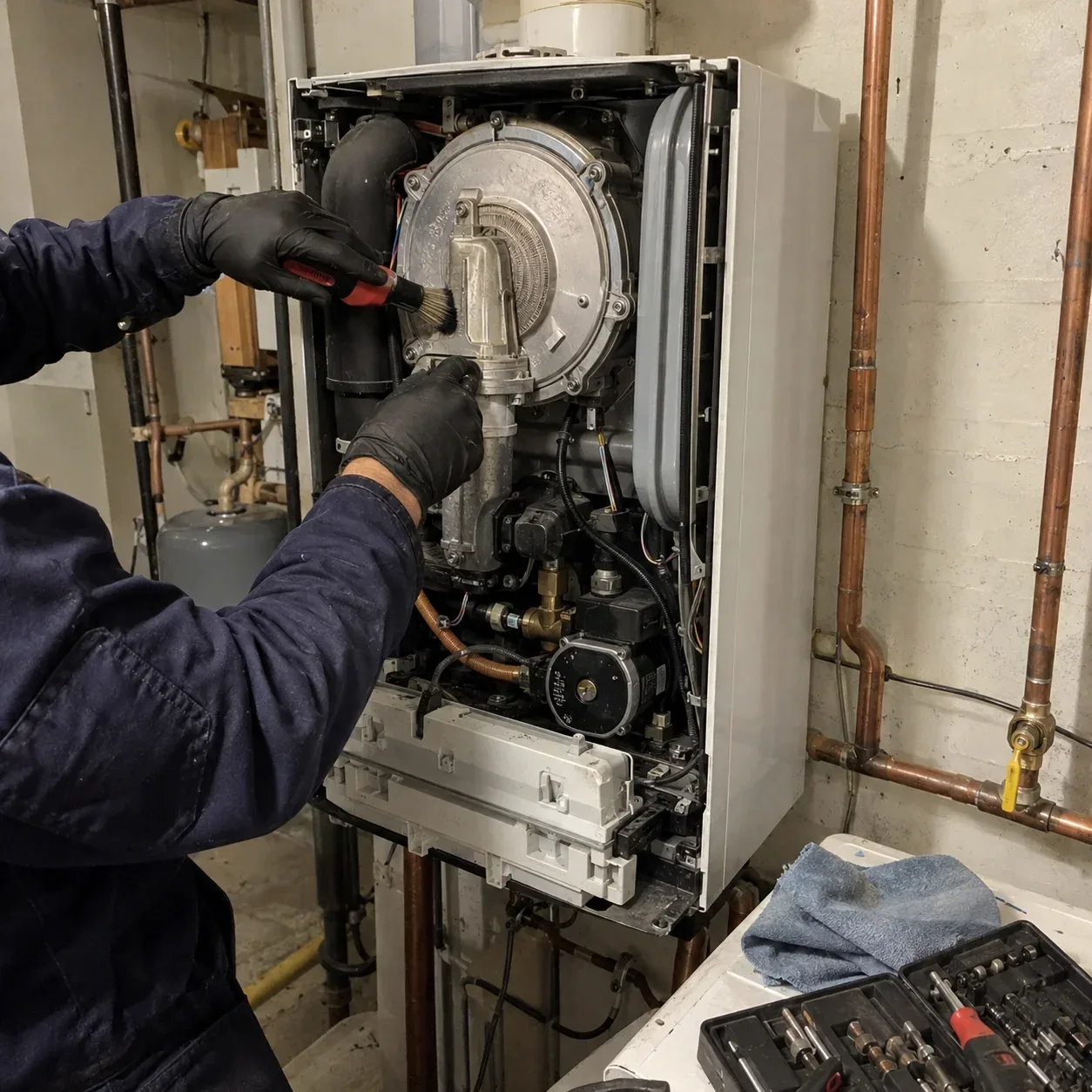
Annual servicing is a good baseline for most residential gas boilers, subject to manufacturer instructions. A
visit typically includes safety checks, combustion testing, component inspection and cleaning where needed.
When is the best time for boiler maintenance in Ottawa?
August through October is a practical period for boiler maintenance Ottawa homeowners want completed before
winter. Servicing is worthwhile at other times too. See our
seasonal maintenance
calendar.
Do you offer 24/7 emergency boiler repair?
Yes. Our 24/7 emergency boiler repair line is answered overnight, on weekends and on holidays. If you lose
heat during a cold spell, call
(111) 111-1111 and explain the symptoms so
we can discuss the next steps.
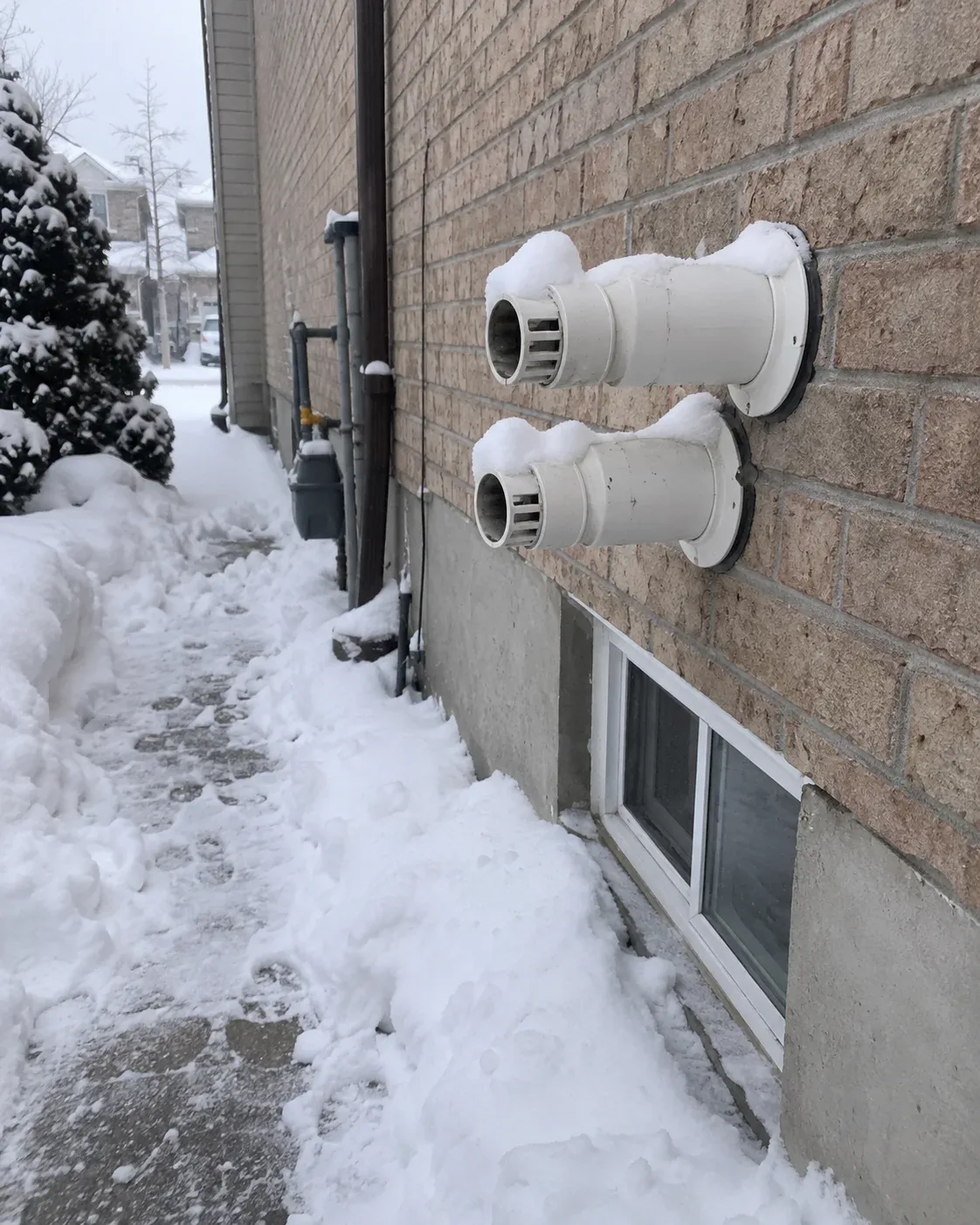
My condensing boiler stopped in extreme cold — what now?
Check the display for an error code. A frozen or blocked condensate line is one possibility, but other faults
can cause similar symptoms. Do not use an open flame, boiling water or sharp tools, and do not remove the
boiler cover. Call a technician for assistance. If there is a gas smell or carbon monoxide alarm, evacuate and
call 911 from outside.
Do you fix radiators or in-floor heating?
We work on the residential boiler that supplies heat to radiators or in-floor heating. We do not repair
individual radiators, floor loops or the wider distribution piping.
Do you serve my part of Ottawa?
We serve Ottawa neighbourhoods and nearby suburban areas within our coverage. Check the
areas we serve section or call
(111) 111-1111
to confirm service for your address.